Purple Friday — Clubs Say No to Domestic Violence
Registered clubs across NSW are coming together on Friday, 8 May to raise awareness, offer support and help prevent violence.
What is Purple Friday?
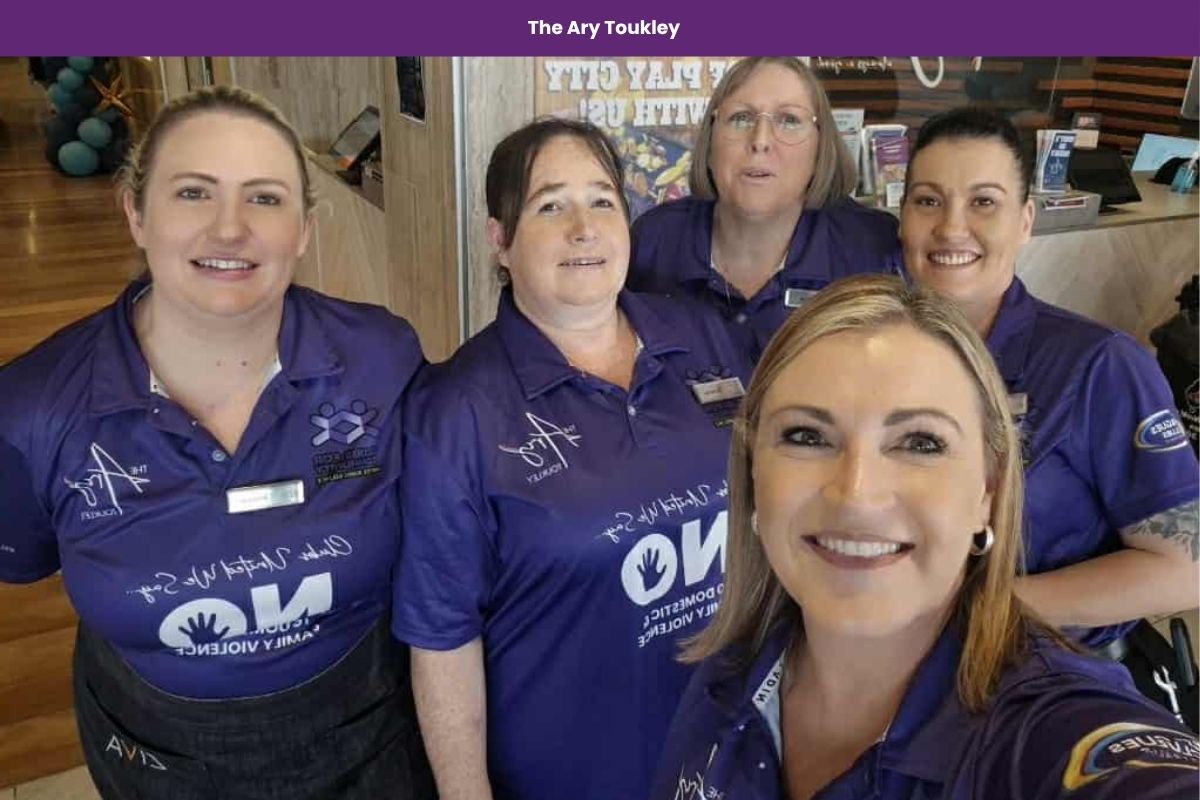
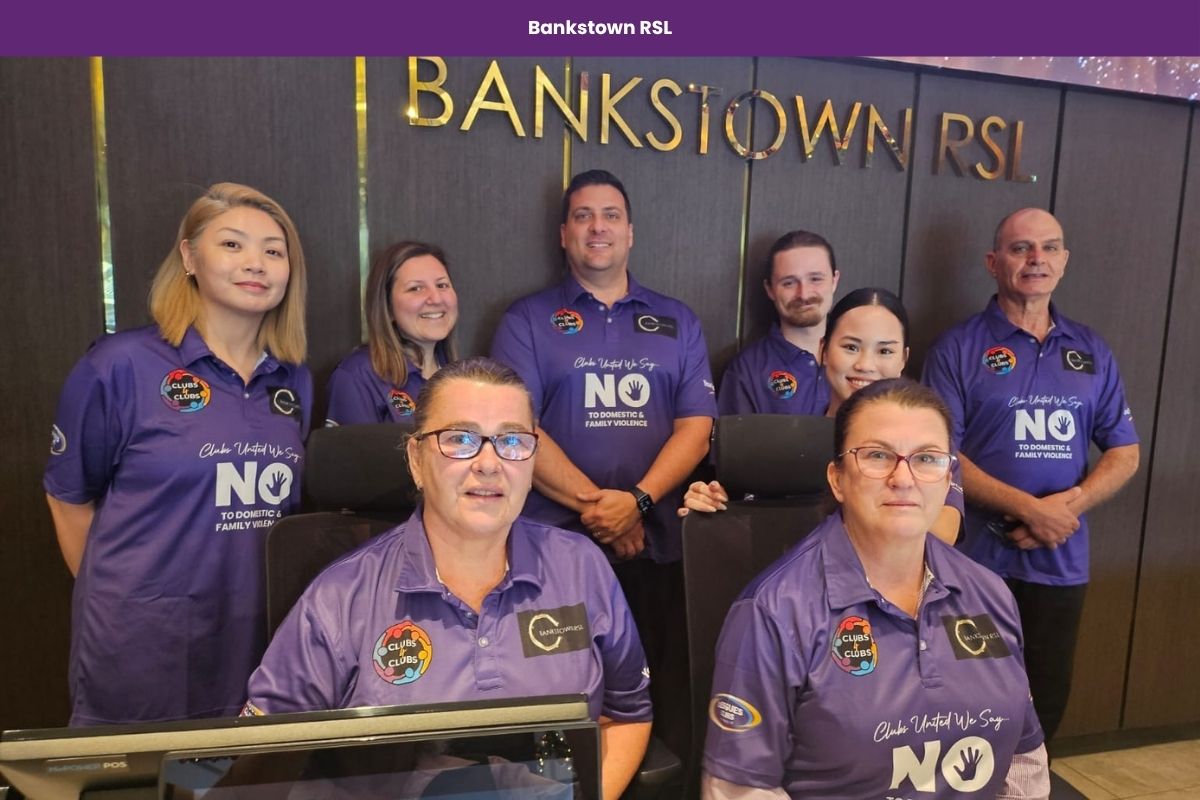
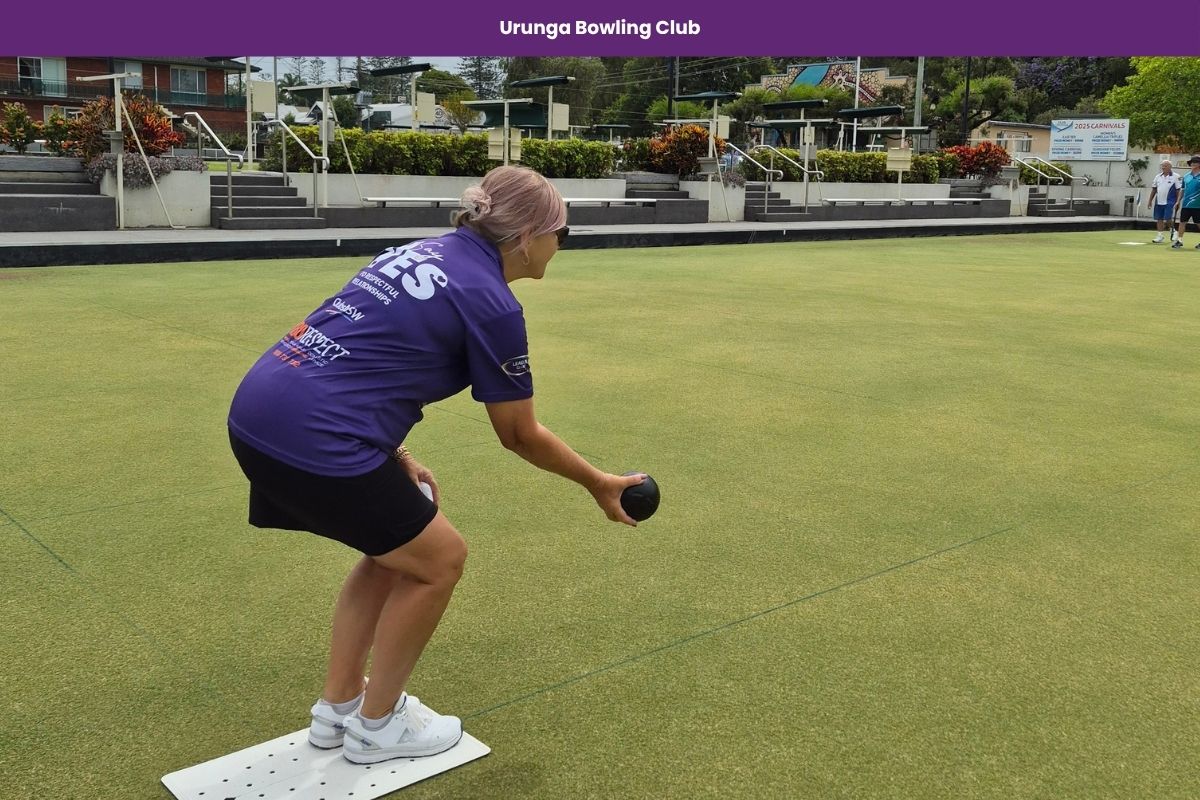
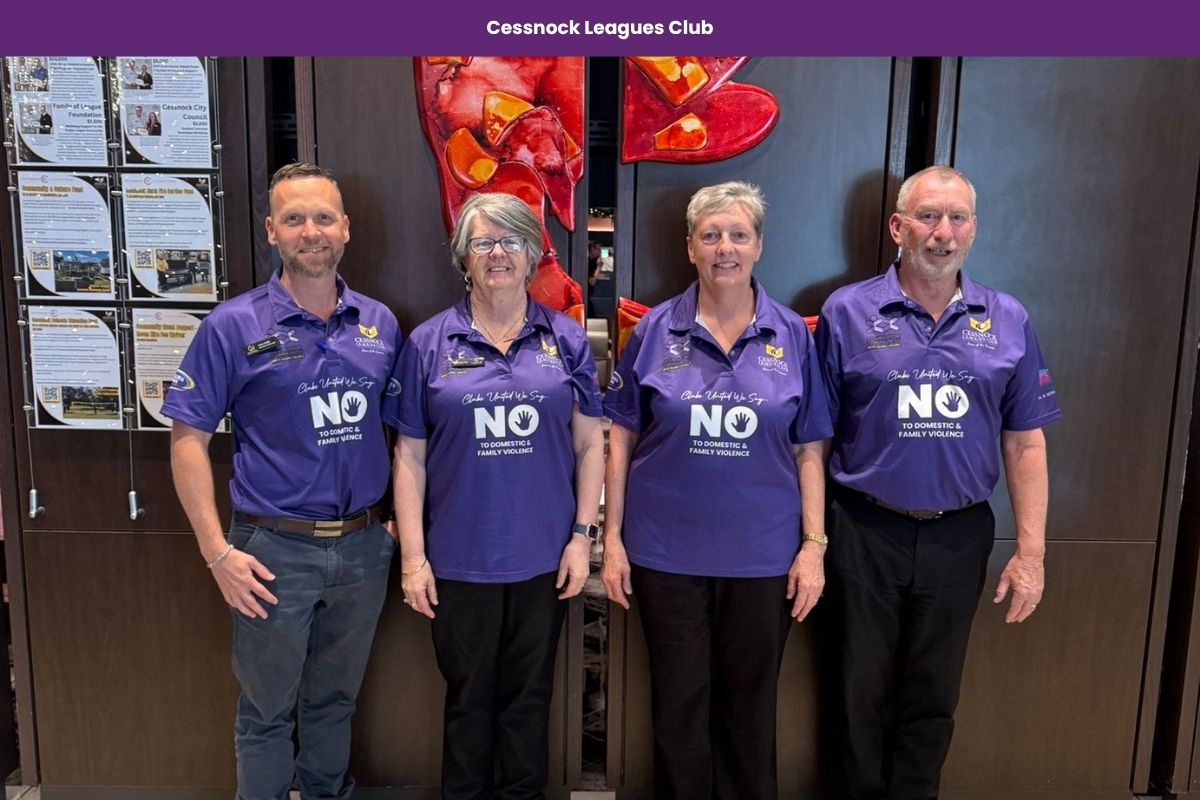
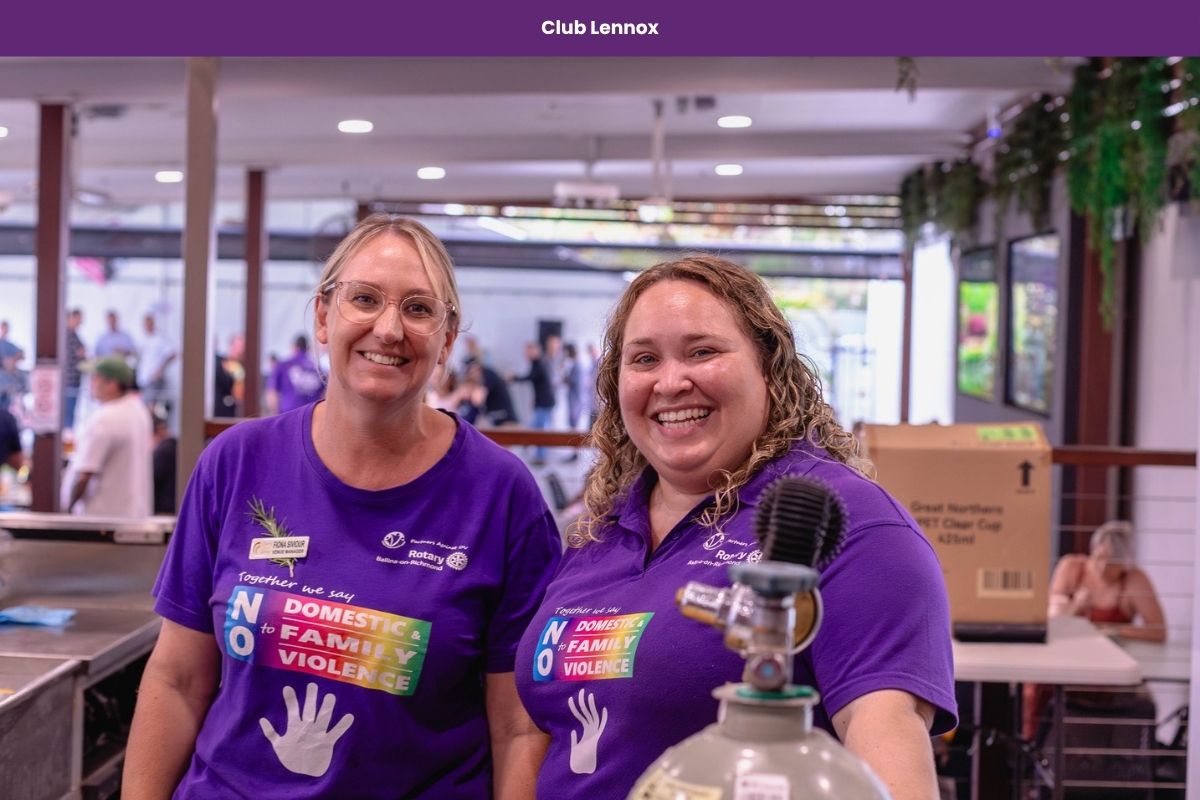
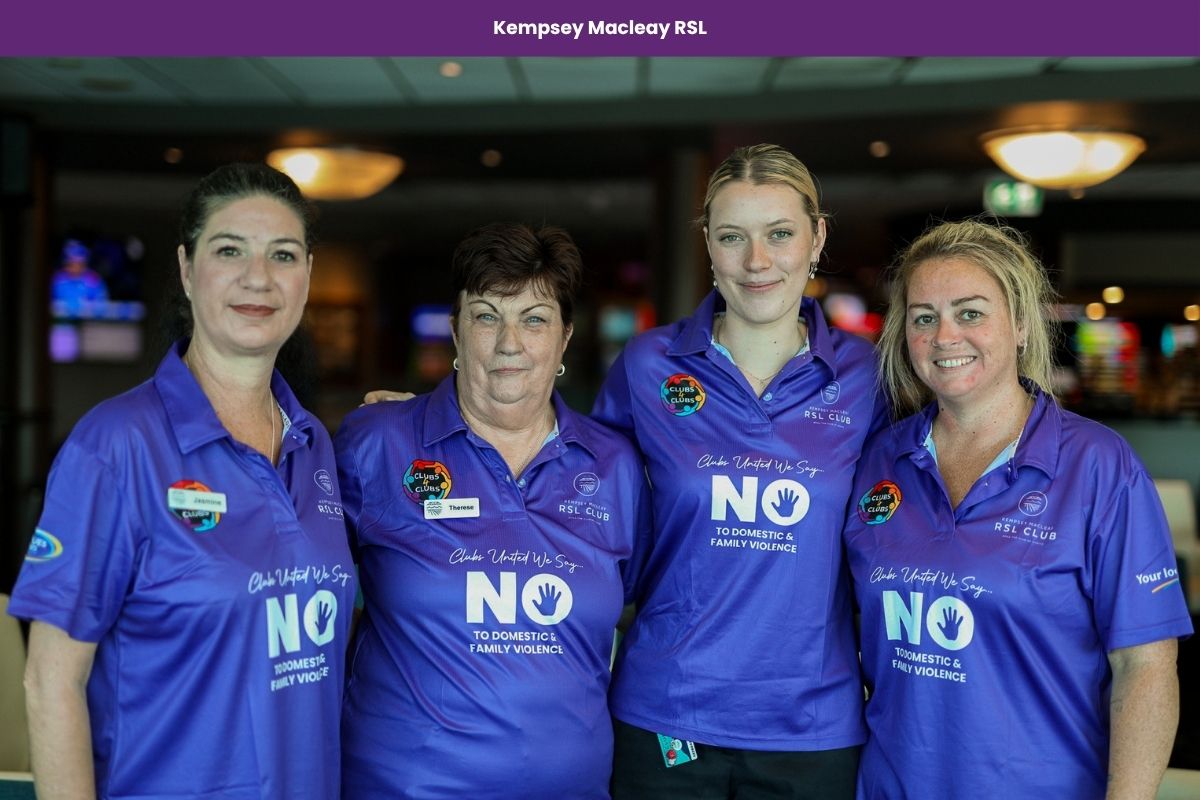
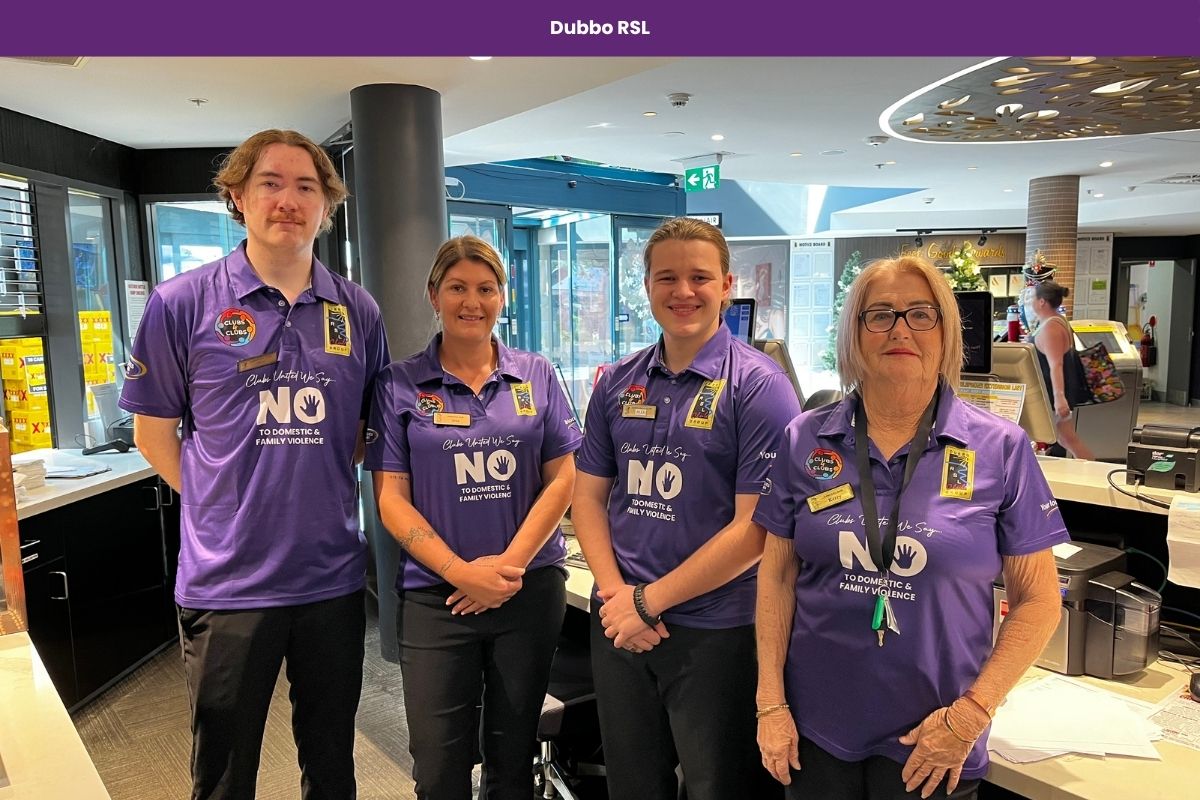
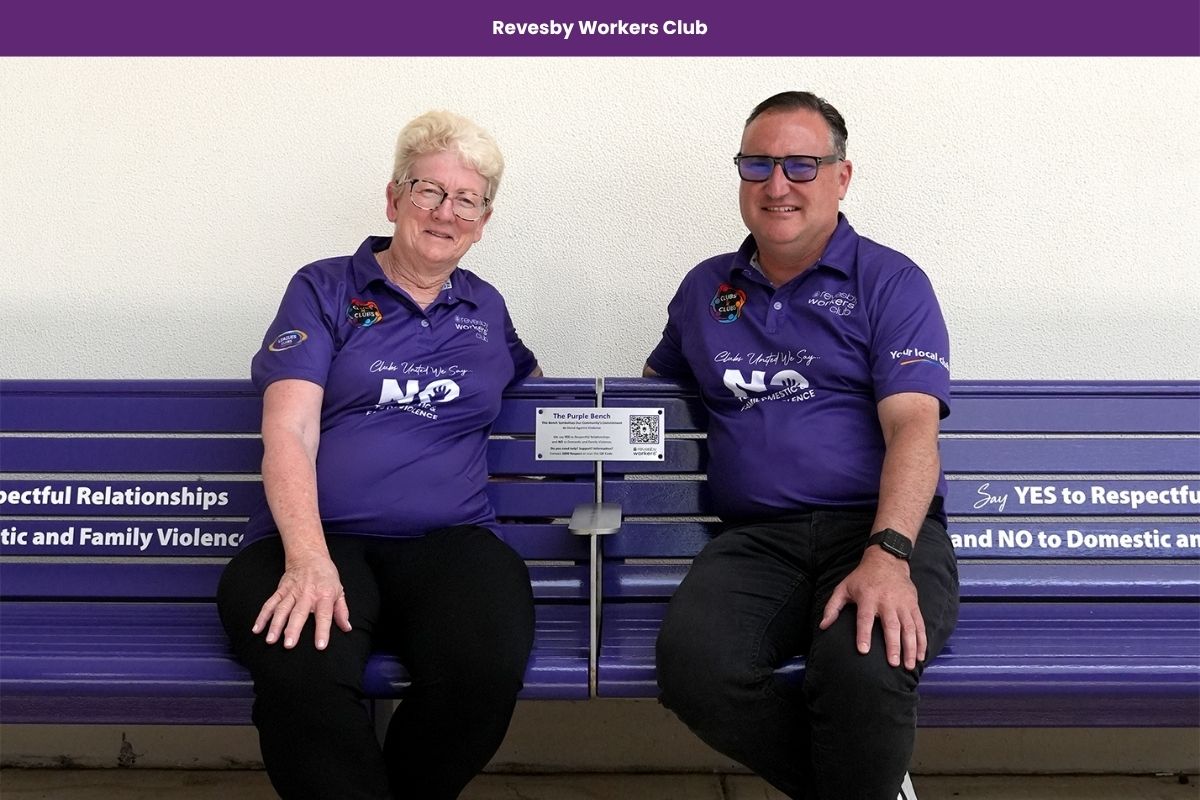
On Friday, 8 May more than 200 clubs across NSW took part in Purple Friday — Clubs Say No to Domestic Violence.
The colour purple is a symbol of strength, courage and dignity, and represents the club industry’s commitment to breaking the silence around domestic violence and standing in solidarity with those affected.
Key Domestic Violence Statistics
- 1 in 4 women will experience domestic or family violence.
- Over 50% of women seeking crisis accommodation are turned away each night.
- Domestic and family violence in Australia is estimated to cost the economy approximately $26 billion annually — and victims bear nearly half of this cost.
- 77 women and 26 children were lost to domestic violence in 2025.
SUPPORT IS AVAILABLE
If you or someone you know is experiencing domestic or family violence, help is available. Your local club proudly supports and promotes trusted specialist services that provide confidential advice, practical assistance and pathways to safety.
EMERGENCY ASSISTANCE
If you, a child or another person is in immediate danger, call 000.
For sexual assault, domestic or family violence counselling, call 1800 RESPECT (1800 737 732) or visit their website for 24/7 phone and online services: 1800respect.org.au.
Our Partners
Our Watch
Australia’s national organisation for the prevention of violence against women and their children, leading evidence based research, education and primary prevention initiatives.

DV Safe Phone
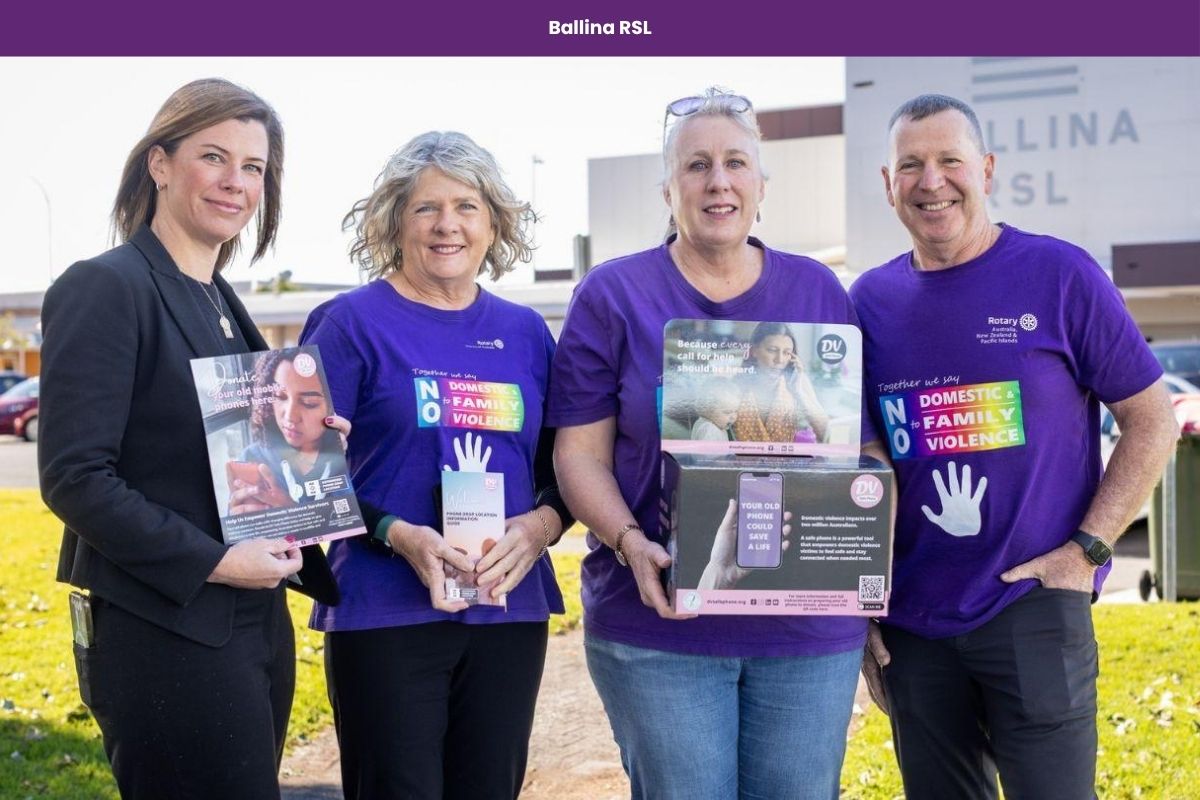
Collects, refurbishes and distributes donated mobile phones to people experiencing domestic and family violence so they can safely contact support or emergency services.

Escabags
Supplies emergency escape bags filled with essential items for women and children leaving unsafe situations, offering dignity, care and immediate support.

StandByU Foundation
Provides wearable safety devices and support networks that help people at risk of domestic violence or harm quickly alert contracts and access help.
Clubs Driving Change Through Purple Friday
Purple Friday began with Cherry Street Sports Club with clubs like Revesby Workers’ Club joining the initiative — leaders driving positive change and a shared commitment to domestic and family violence prevention.

Our Commitment
Your Local Club is committed to fostering respectful, inclusive and safe environments for members, staff and guests. Through Purple Friday and ongoing partnerships, clubs continue to:
- Promote equality, respect and inclusion.
- Support people impacted by domestic and family violence.
- Connect communities with trusted specialist services.
- Play an active role in prevention and early intervention.
This work is guided by collaboration, shared responsibility and a belief that when communities come together, real and lasting change is possible.